[News from FACE]: The 16th FACE Network Annual Meeting:
The reportage DAY 1- the tours
Markina-Xemein, Basque Country, Spain.
DAY 1- the tours
Everything is ready to start the 16th FACE Network Annual Meeting!
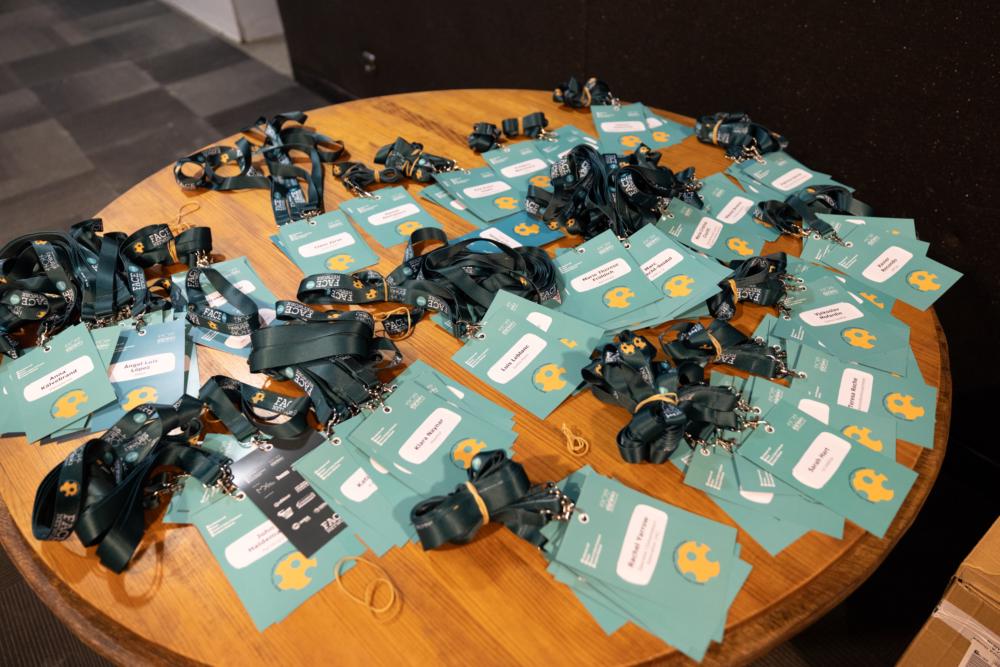
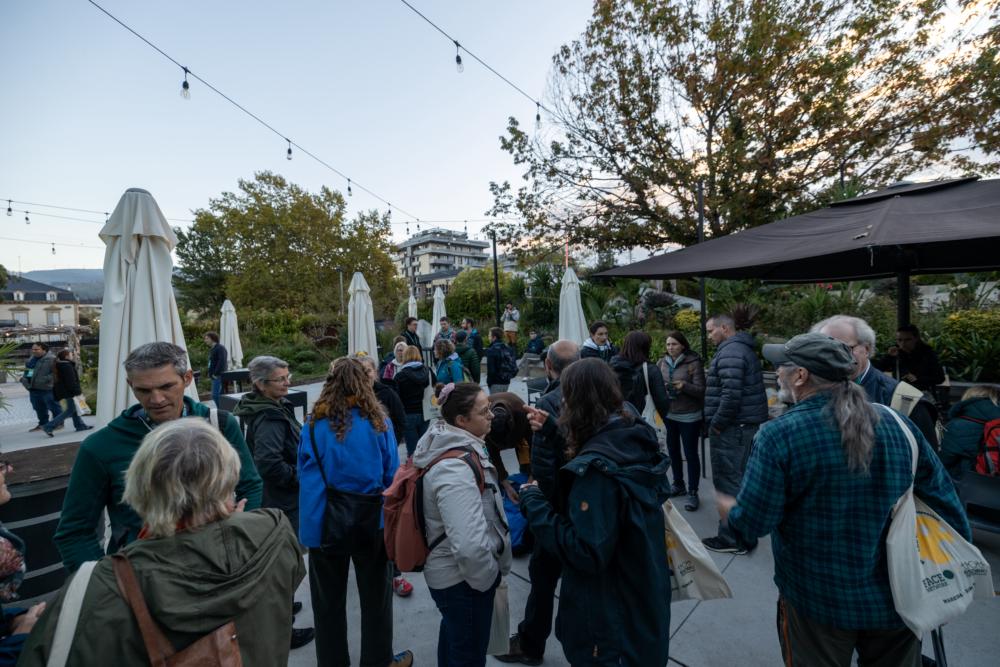
First of all the greetings: the atmosphere is fresh and everybody is happy to meet new and old friends. All participants are about to leave Durango by 5 buses for the tours. It’s time to visit local cheesemakers!
ONDARRE
Ondarre dairy is located in the town of Segura, at the foothills of the Aizkorri mountain range.
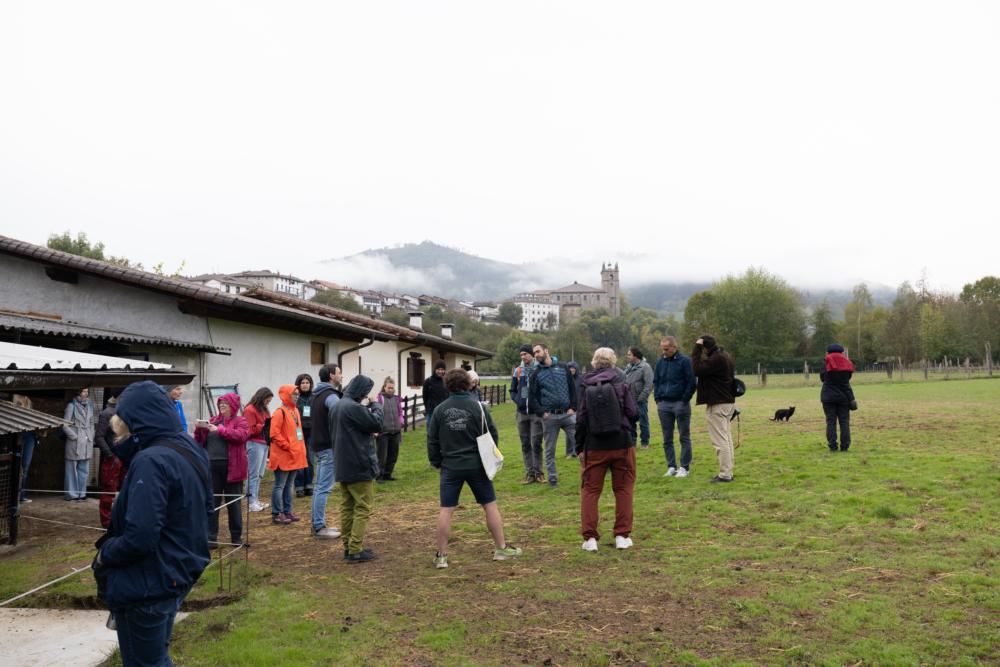
Ondarre is a family-run cheesemaking business where the Goiburu family has preserved the traditions of shepherding and cheesemaking for several generations. Today, they continue to produce Idiazabal PDO cheese using raw milk from their own Latxa sheep, the local breed. For them quality means “Happy sheep, that can be outside all year.”
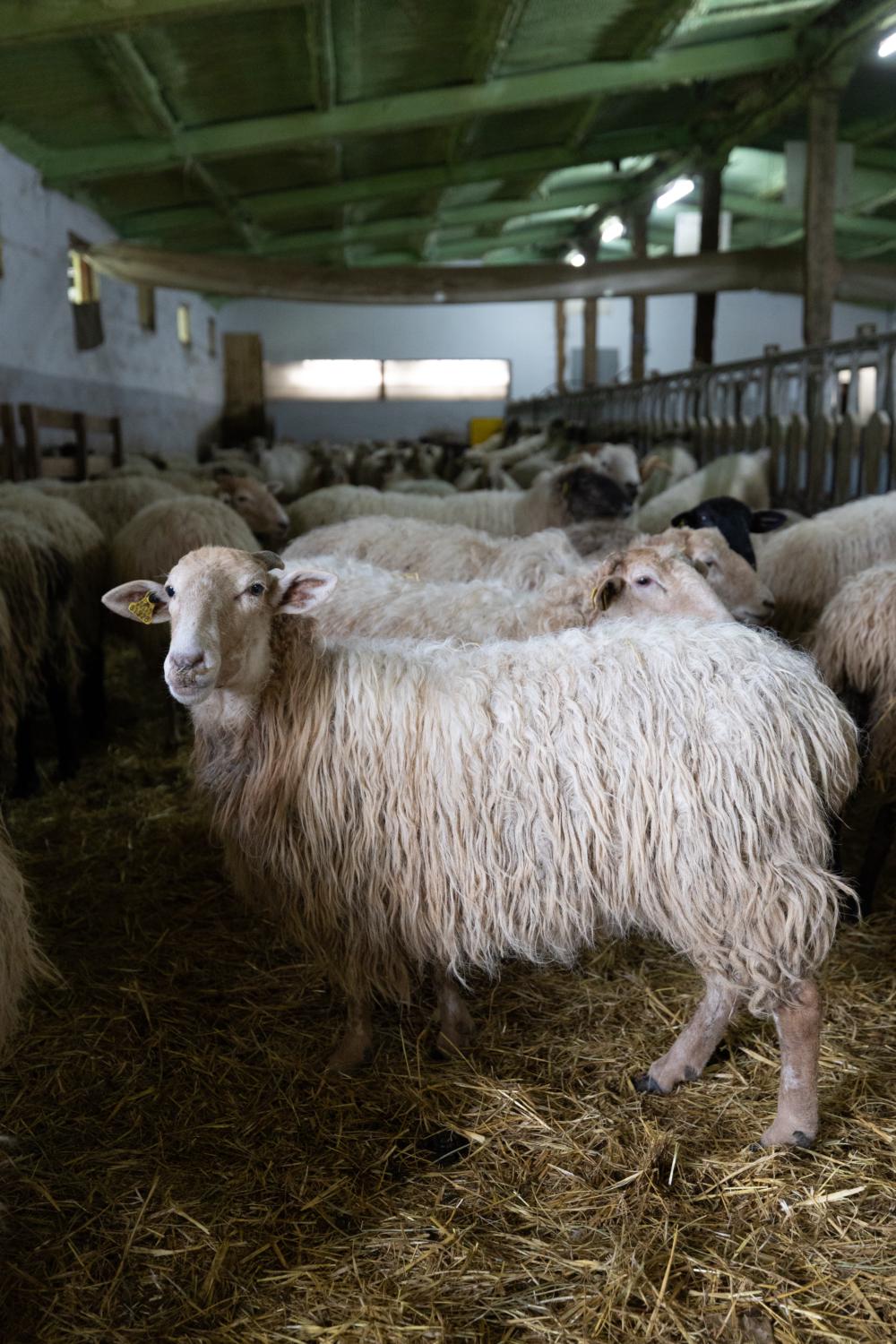
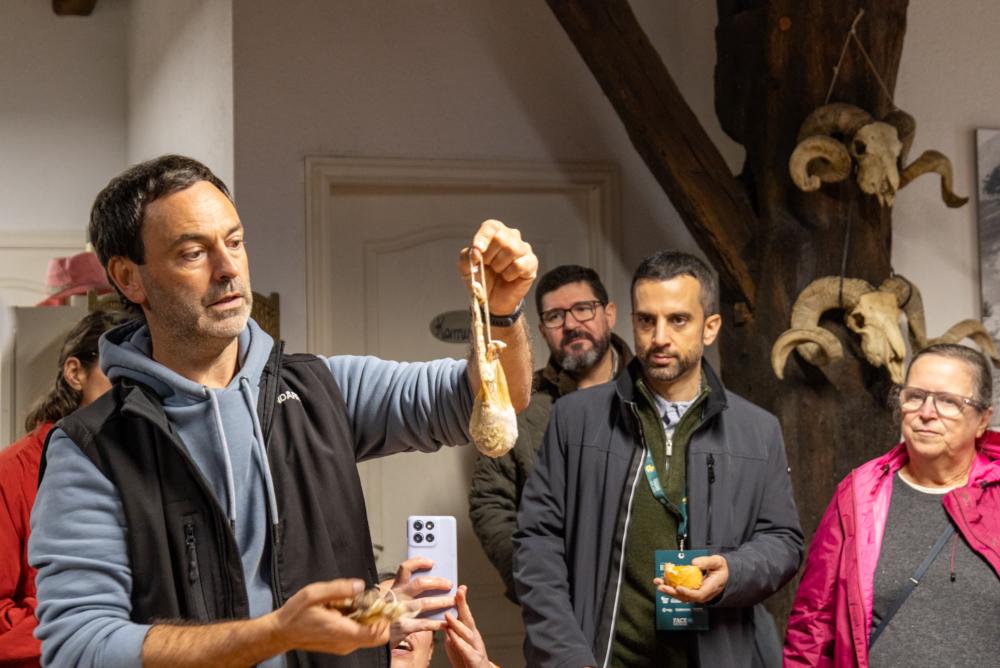
The cheeses are crafted using traditional artisan methods and natural home made lamb rennet.
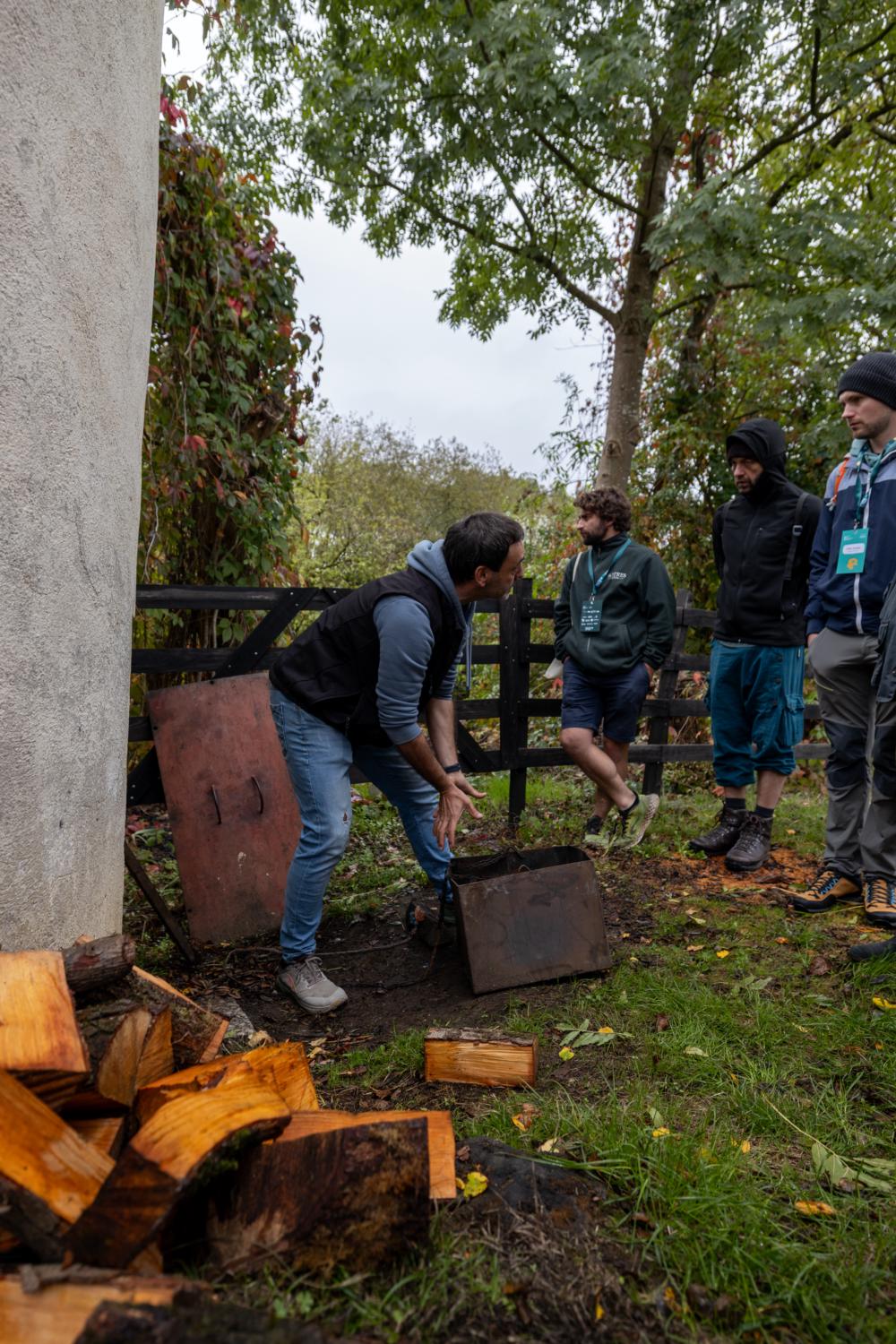
Some are also traditionally smoked, following ancestral techniques that remain an important part of the region’s cheesemaking heritage. The secret of their bright orange color is in the wood used for smoking.
Ondarre is one of the most highly awarded cheesemakers in the Basque Country. Its Idiazabal cheeses have won the prestigious Ordizia Cheese Competition on several occasions, one of the highest recognitions in Basque cheesemaking and a testament to both exceptional quality and a long-standing family tradition.
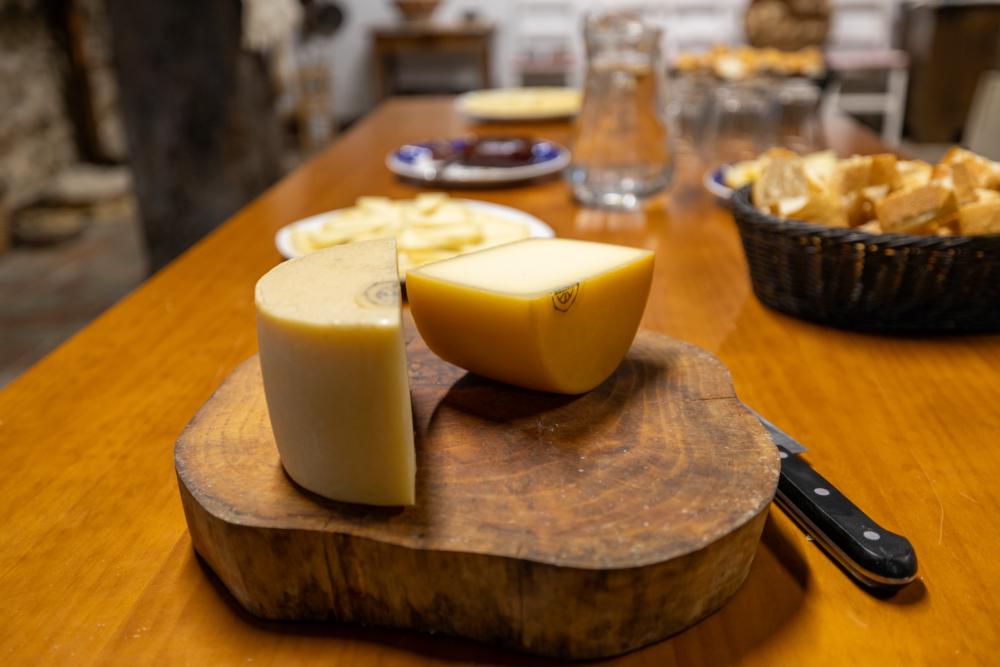
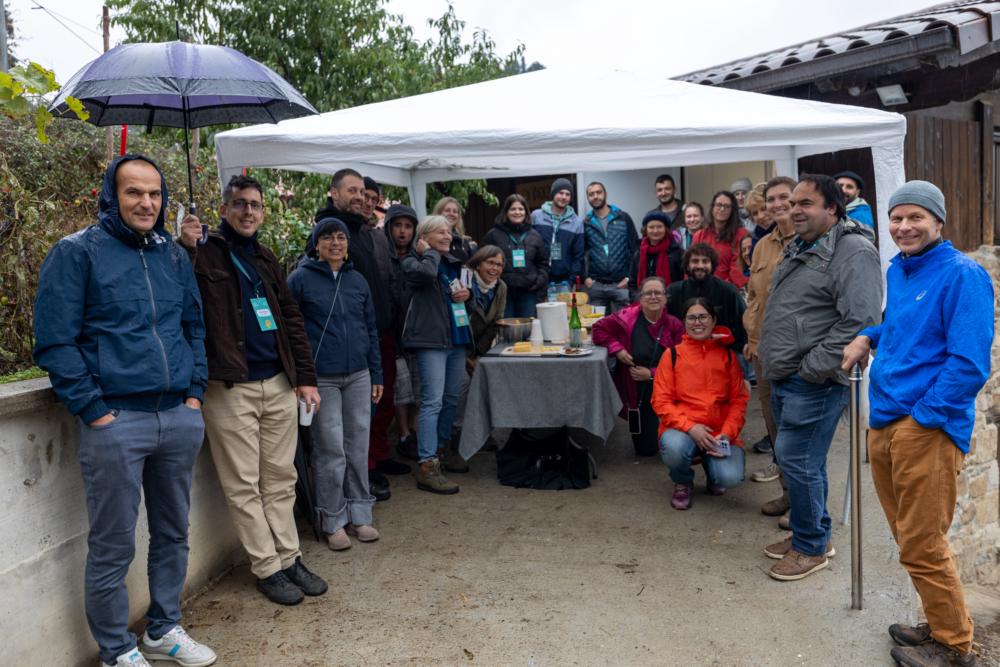
The group participated with many questions…
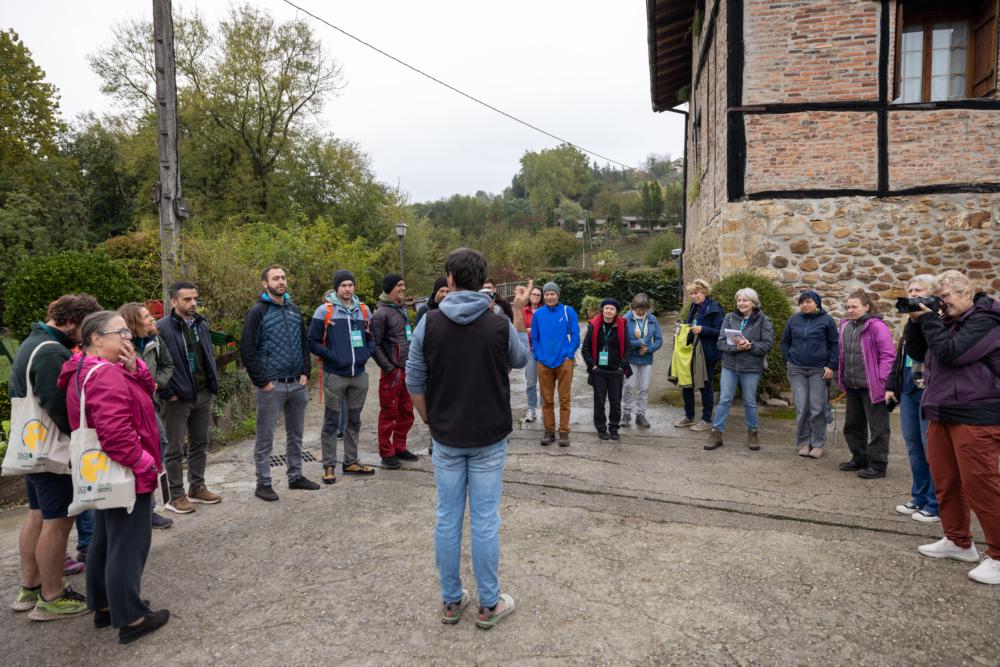 …and the Basque hospitality was great!
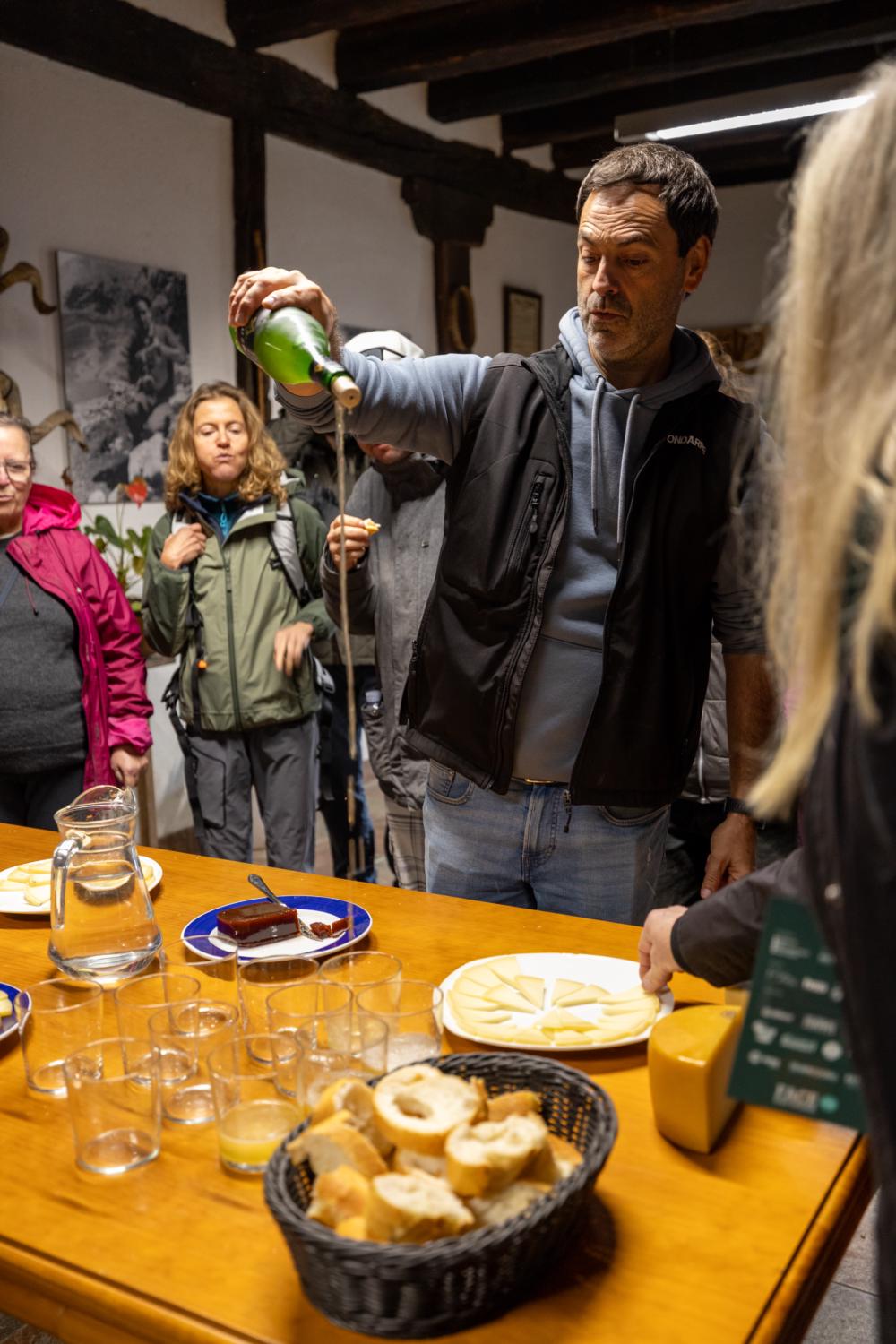
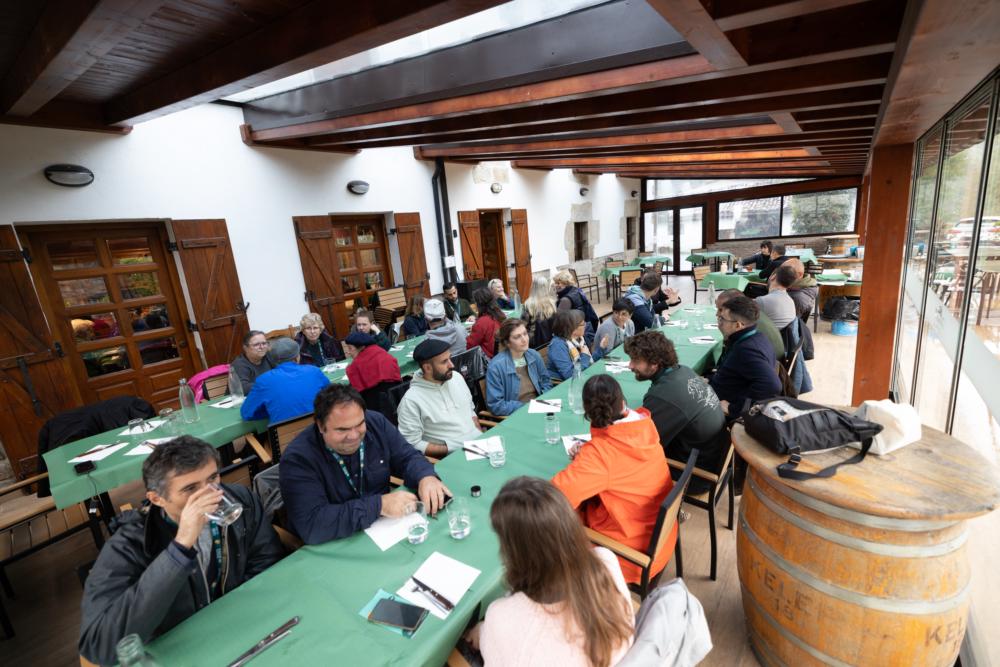
Our first lunch stop together flew between nice local food, chatters and laughs.
TELLERIA
Telleria is a livestock and cheesemaking project located in the rural municipality of Mutiloa. The project was founded in 2019 by Beñat, who decided to pursue a way of life closely connected to local food production, converting the family farm from meat to small-scale cheesemaking.
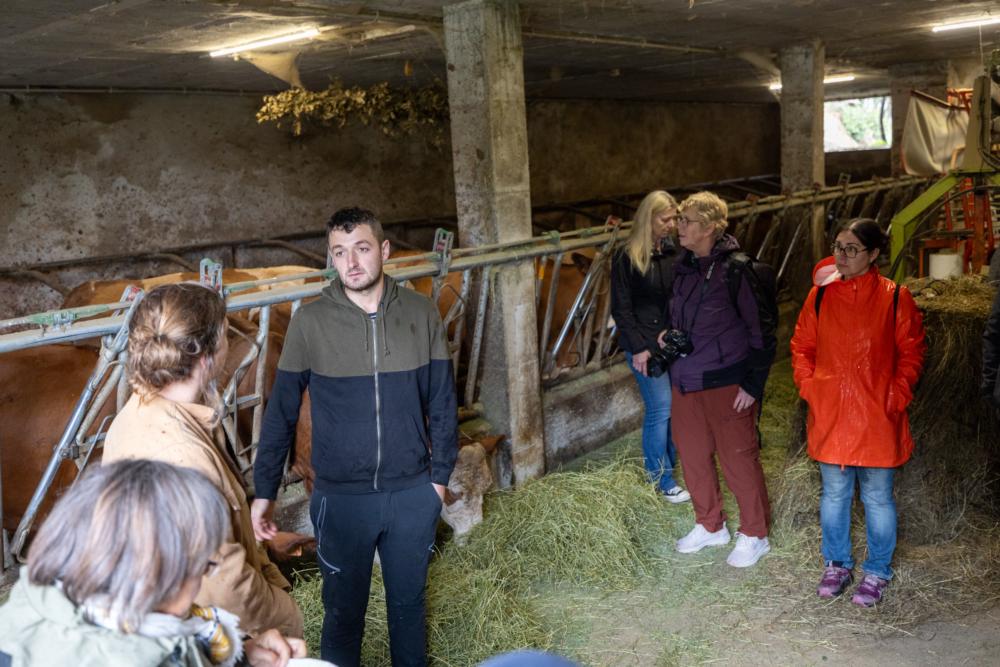
The farm is based on the breeding of Fleckvieh cattle, following an organic and semi-extensive production model. One of the project’s core principles is its close connection to the local territory. Grazing, animal welfare and respect for the natural environment play a central role in the management and feeding of the herd.
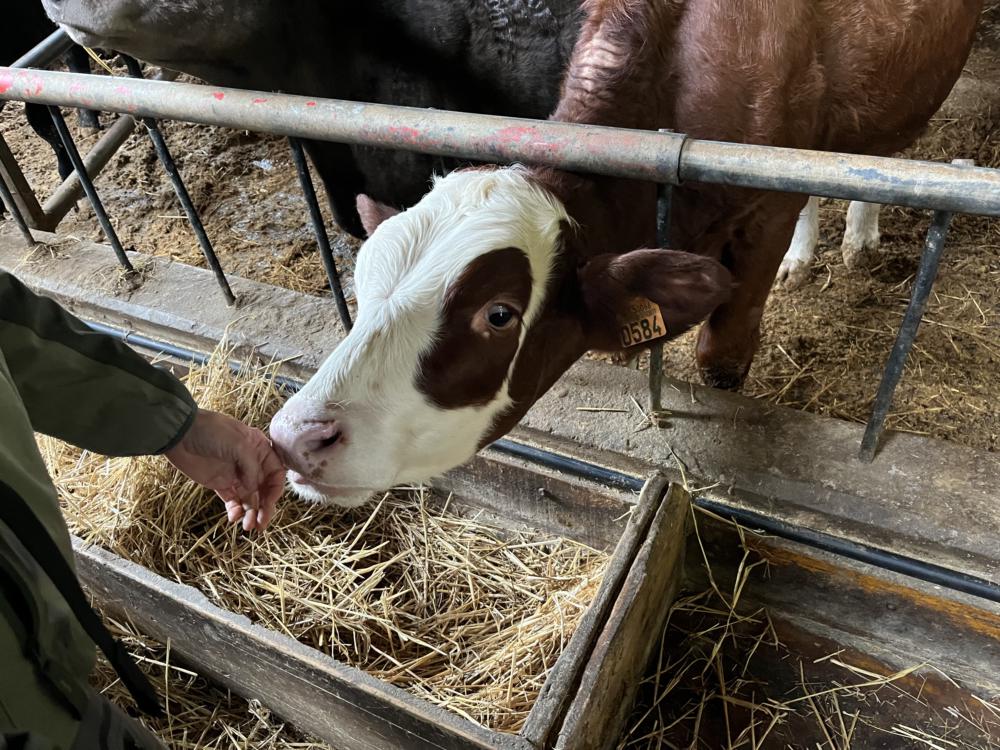
Using milk produced exclusively on the farm, Beñat crafts artisan cow’s milk cheeses on a small scale. Quality, local production and adding value to the farm’s own raw materials are at the heart of the project.
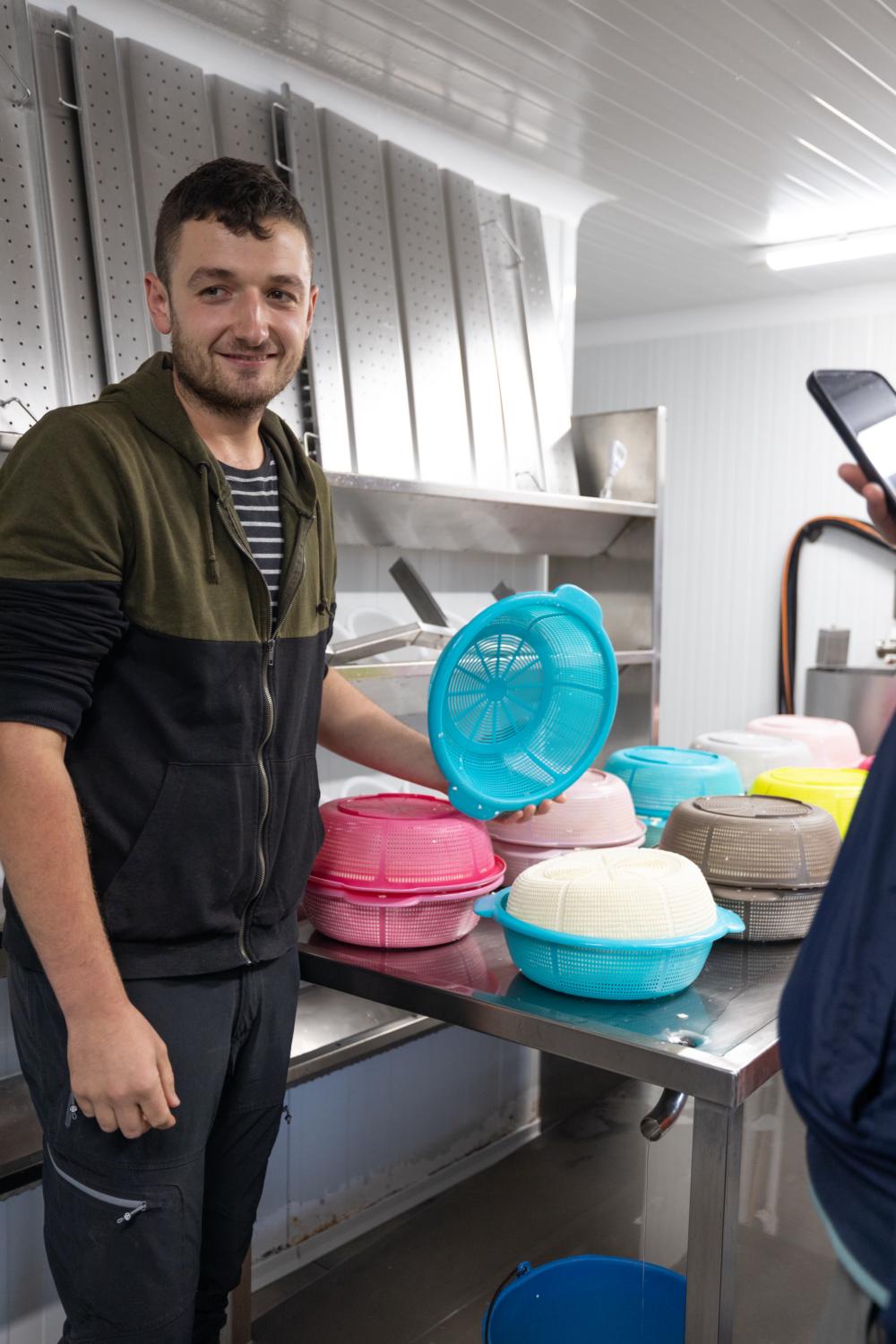
Today, Telleria produces a range of cheeses, including soft, semi-cured and blue cheeses.
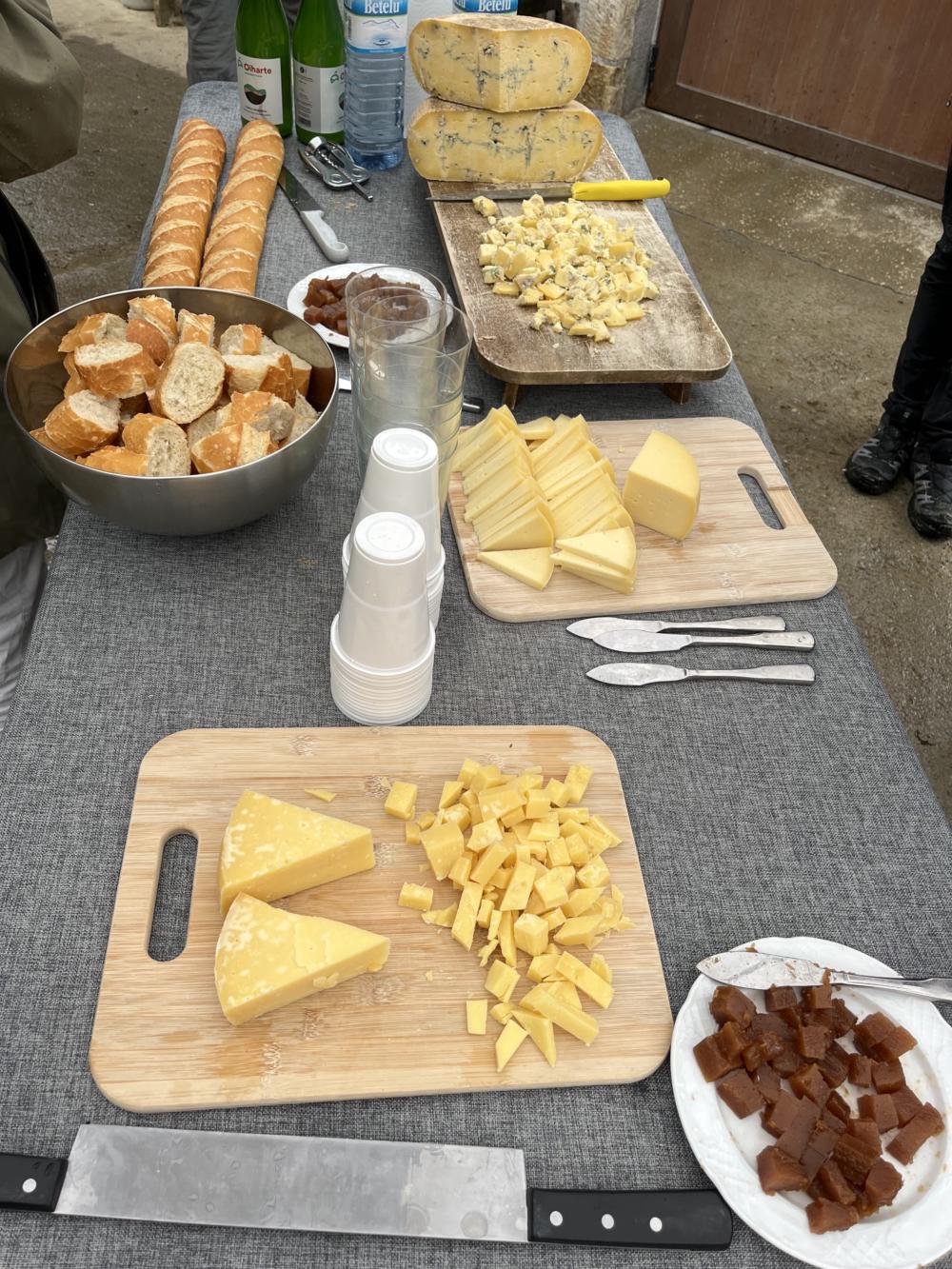
Through this approach, Telleria creates high-value cheeses that reflect not only the distinctive qualities of the milk produced on the farm but also the character, landscape and identity of the surrounding region.
BIZKAIGANE
Bizkaigane Dairy is in the village of Errigoiti, a rural municipality in the Busturialdea region, located near the Urdaibai Biosphere Reserve. This area is known for its rich biodiversity, beautiful landscapes, and strong farming and livestock traditions.
Although milk production has historically been important in the area, cheesemaking has not been a particularly developed activity.
In 1983, three young men and women of about twenty-five decided to go into farming. They didn’t have a farm from their parents. What they had was an idea: to work as a team and sell everything themselves, with no middlemen.
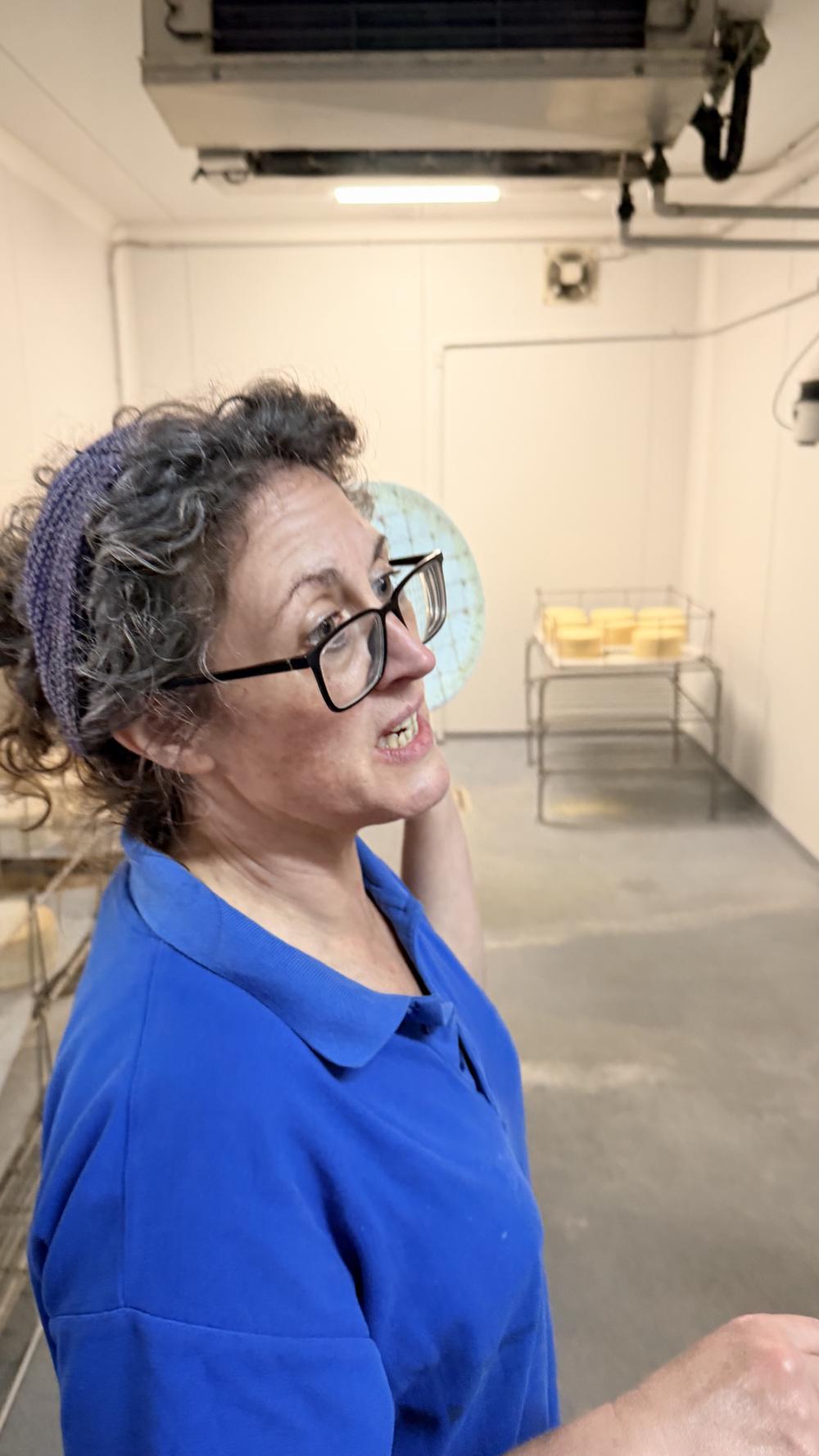
They started with milk. When it stopped selling, they learned to make cheese. Then they took on more land, got sheep, started a vegetable garden, and went organic. Every new product appeared for a very simple reason: so that one more person could earn a living on the farm. That’s how they grew to five. And that’s when they could finally take holidays and have days off. They say to themselves that this was the most important result.
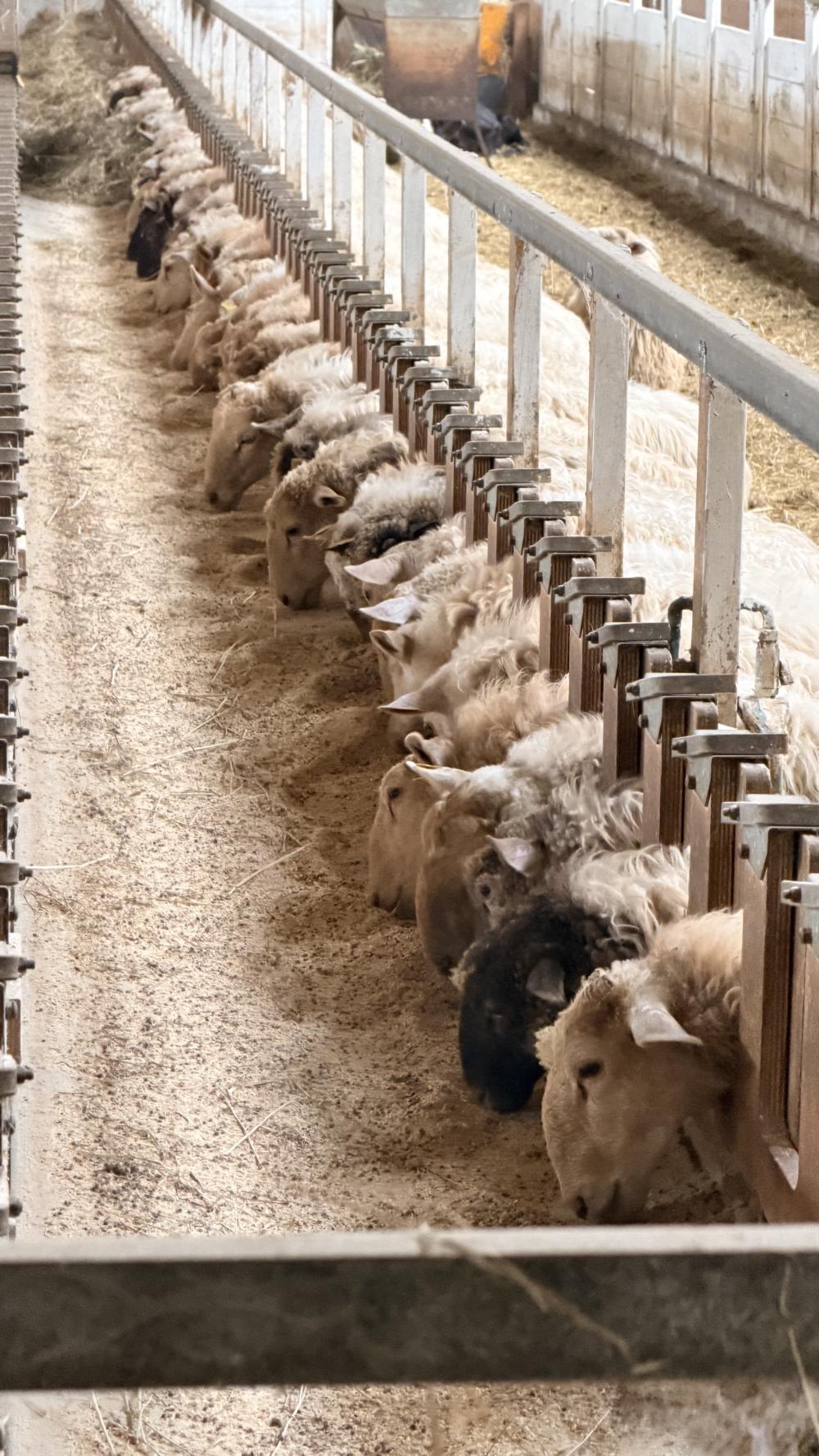
When the founders began thinking about retirement, young people came to the farm. In 2019 they registered as a cooperative so the business could be passed on smoothly. Today there are nine of them. Each lives at home and comes to the farm in the morning to work.
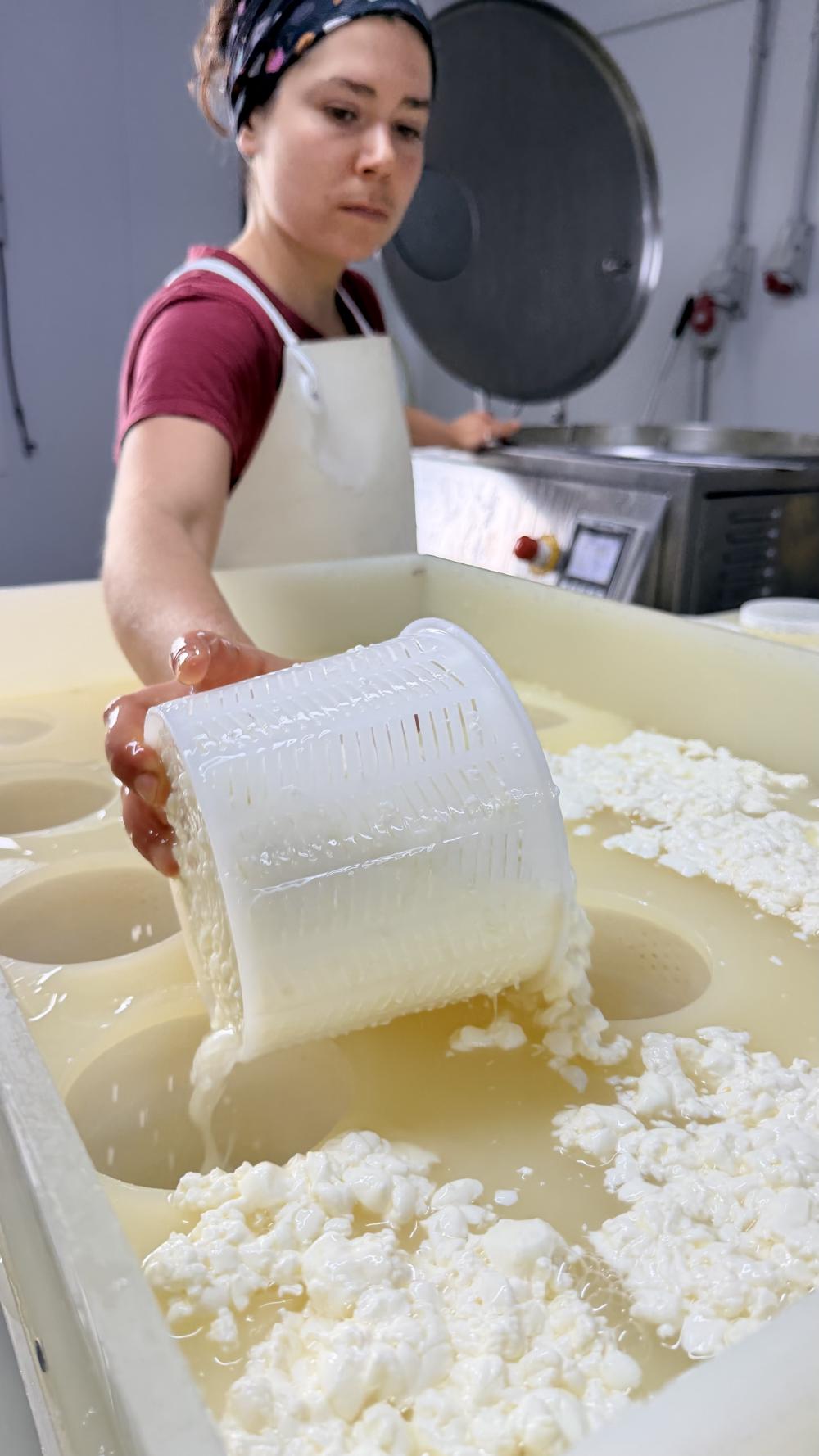
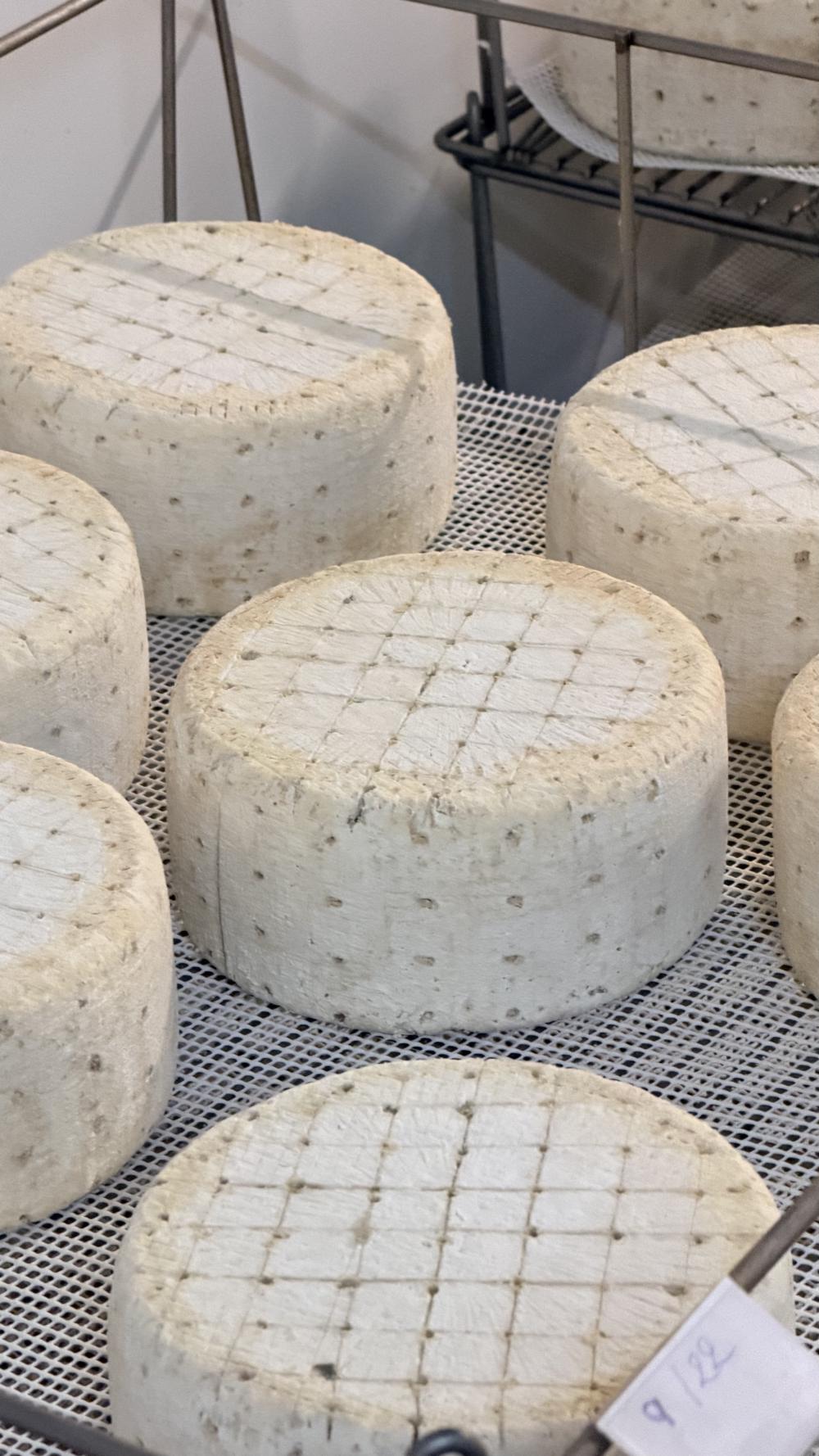
The farm has 45 cows and 300 sheep, a cheese dairy, a shop, and a hall where they run workshops and host school groups. They make cheeses, yogurt, and kefir. From the whey they make a juice drink, and from cheese trimmings, a spread. Yogurt and milk are sold in glass jars that customers bring back. Everything is sold close by: at markets in neighbouring towns, in local bakeries and shops.
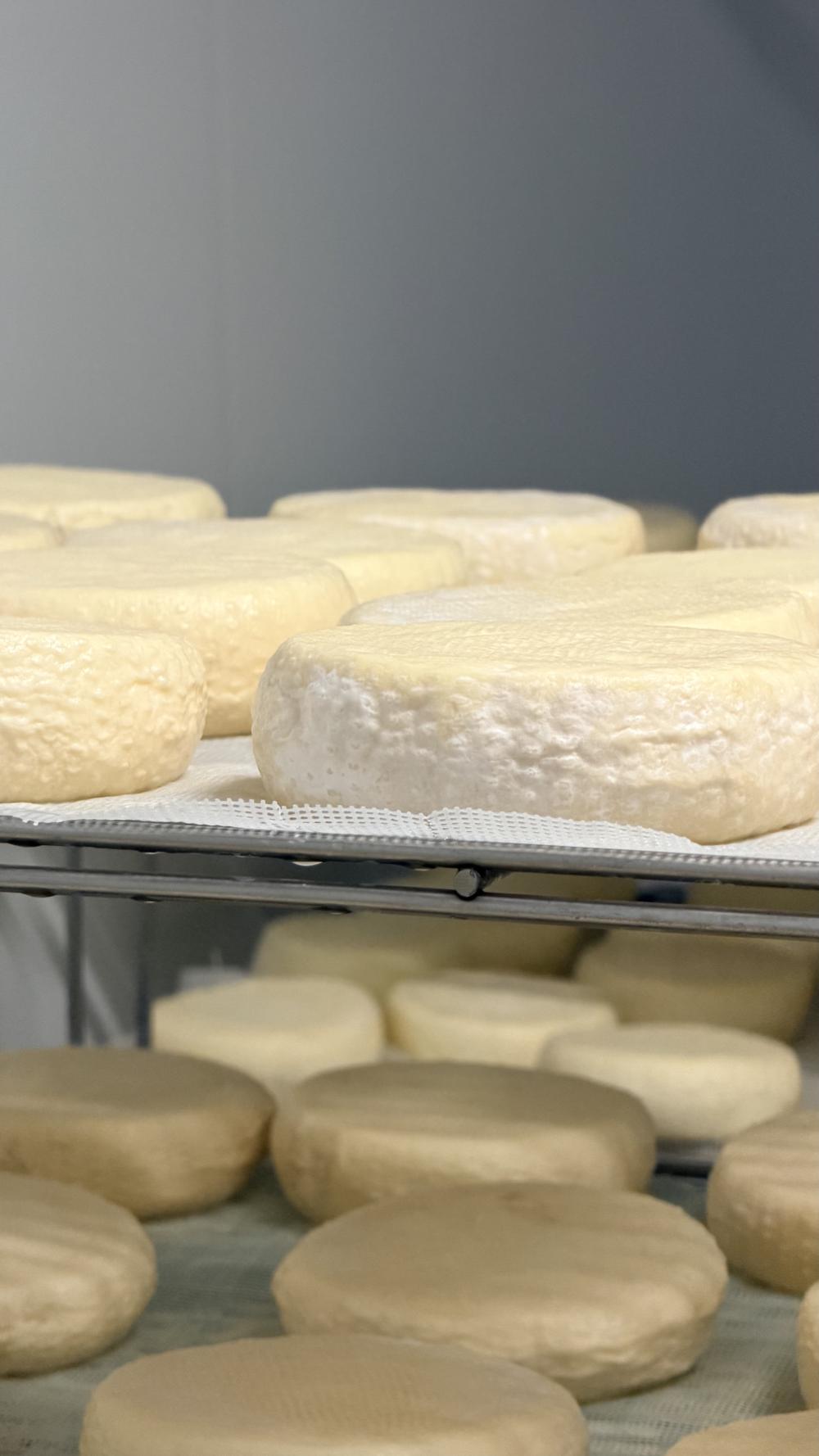
What are we taking home with us? The idea that a farm doesn’t have to be a family one. You can build it with people who simply enjoy working together. And another: it’s good when a business grows not for the sake of numbers, but so that the people who work in it can have a decent life.
SOLOITZA
Arespalditza is the capital of the Ayala Valley, in the province of Araba. It is located in the basin of the Nervión River, surrounded by green and mountainous landscapes.
Historically, agriculture and livestock farming have played an important role in the local economy, with cow’s milk production being one of the main activities.
There is also a cheesemaking tradition in the area, although it has mainly been linked to sheep’s milk, as in many other parts of the Basque Country. As a result, a large part of the cow’s milk produced in the region has traditionally been sold to the dairy industry as liquid milk.
For a long time this family was simply a dairy farm: they milked their cows and sold the milk on. Cheese was something only grandma made at home, for the family. Then in 2020, in the middle of the pandemic, when everyone around was closing down rather than opening up, they built their own cheese dairy.
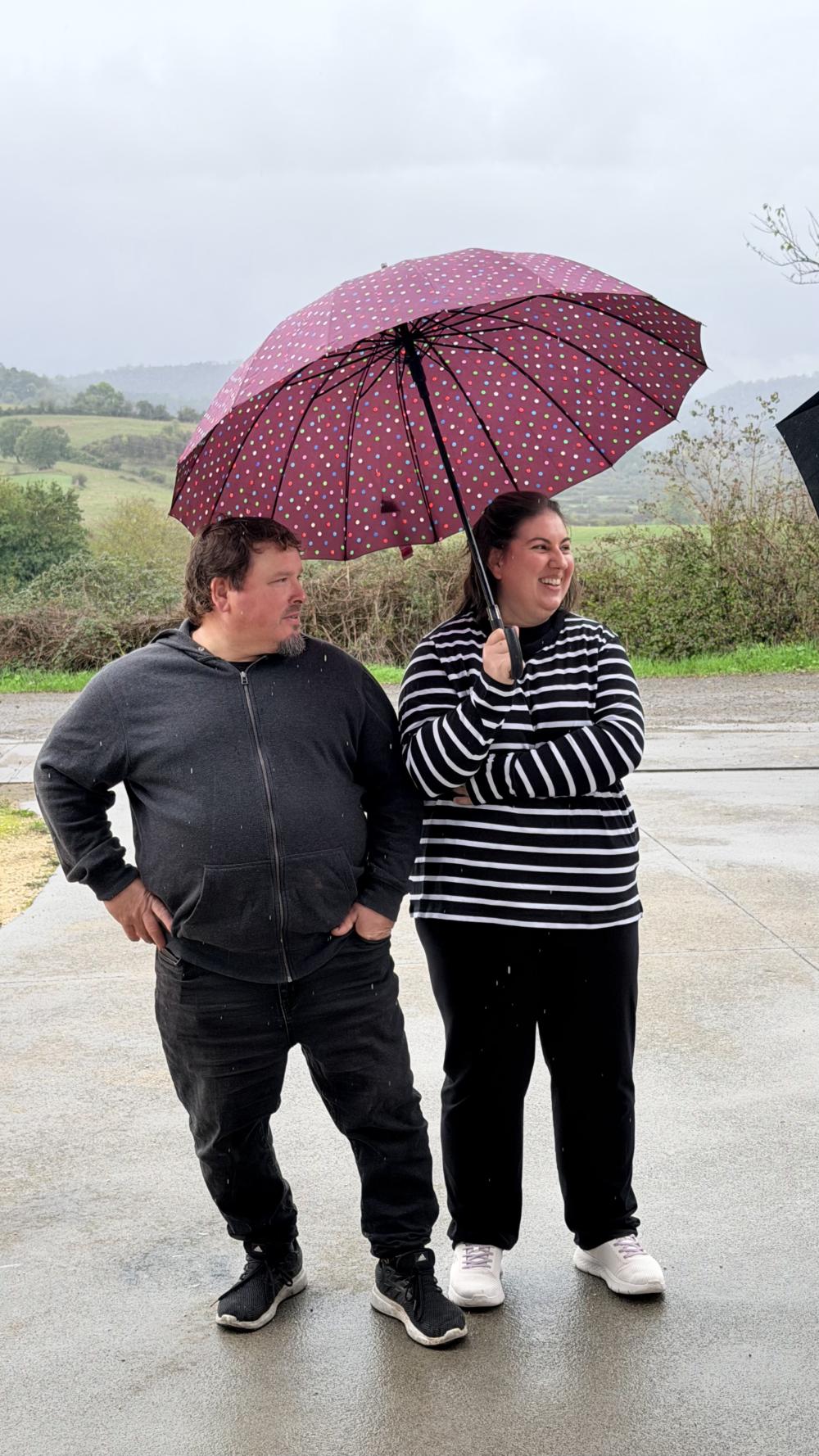
They have over a hundred cows. They grow their own grass and maize for feed. The cows have space, ventilation, brushes, and go out to graze.
They turn only about 15% of their milk into cheese and yogurt. The rest still goes to the processing plant. And for them, that’s freedom: if they need to scale back production, someone falls ill, or sales dip, the milk isn’t wasted; the plant simply takes it. The cheese dairy brings in extra income and lets them grow when they themselves are ready.
The dairy was built only from natural materials: wood, cellulose, clay. The building is designed to make use of sun, wind, and natural light and to use less energy. Inside, it’s fitted with modern equipment.
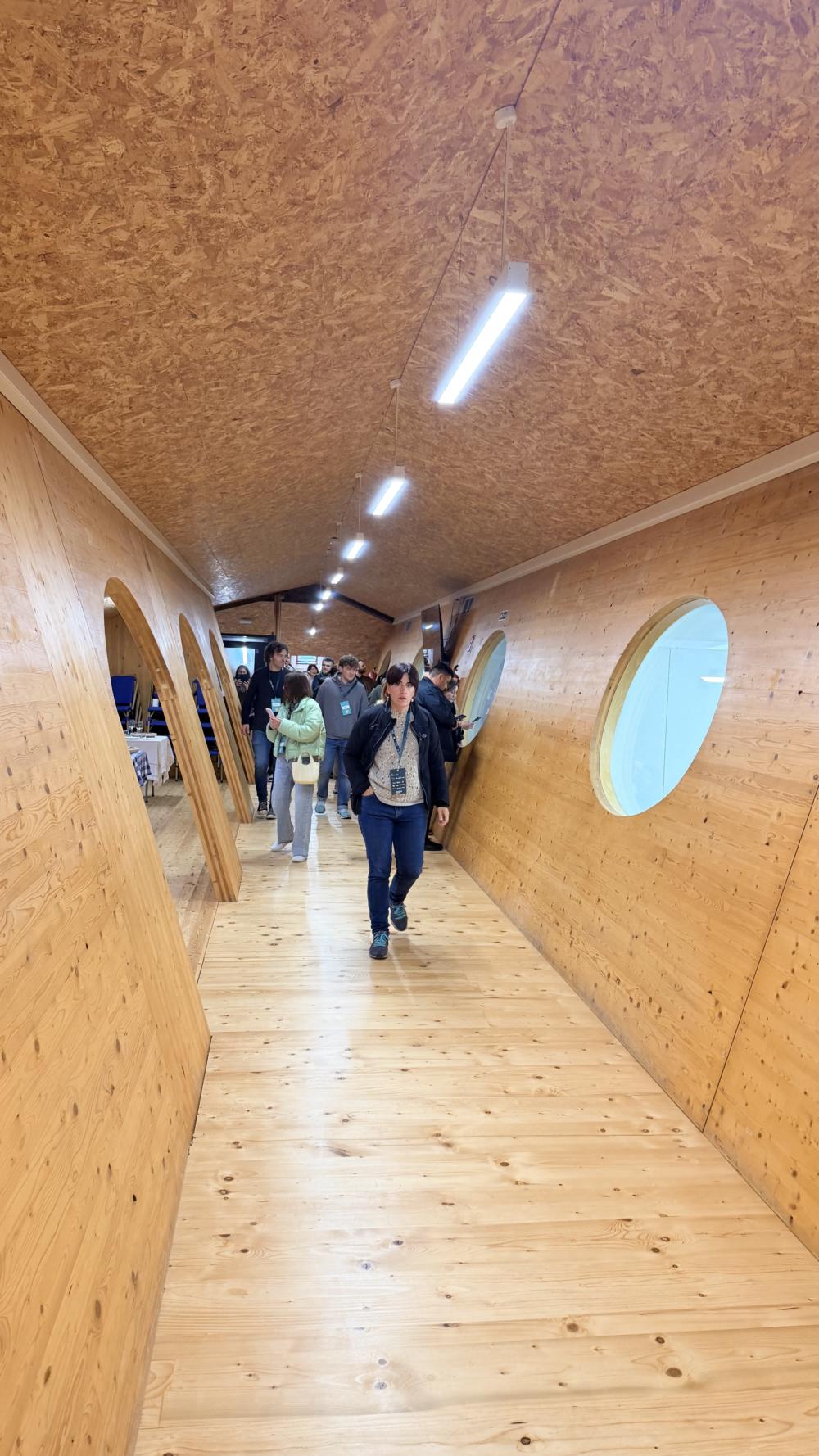
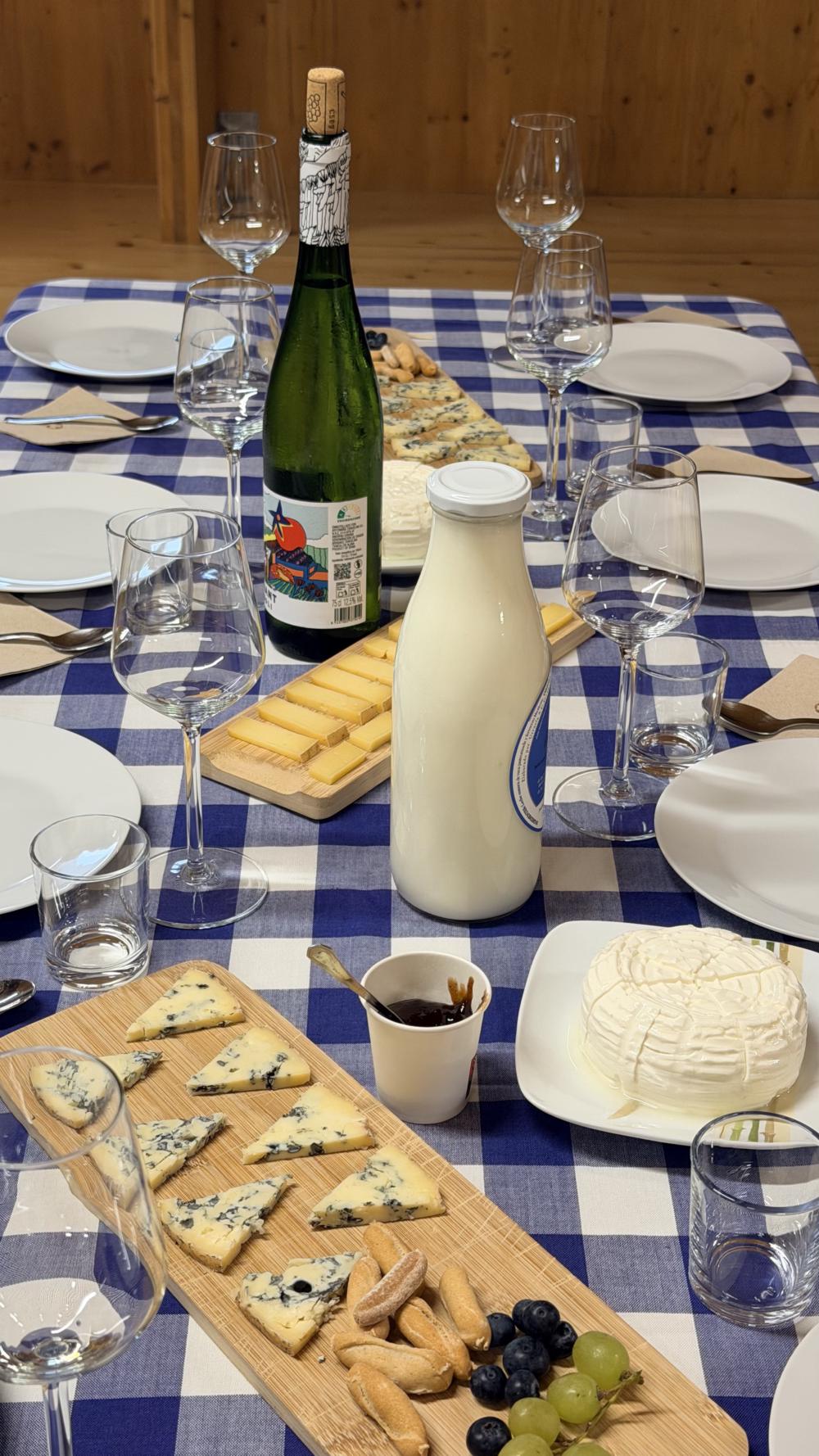
The visitor area deserves a special mention for how cleverly it’s designed. On the first floor there’s a corridor with windows looking into every room: the production area, packing, the ripening rooms. Visitors walk along it and see the whole process from above, from milk to finished cheese. They don’t get in anyone’s way and never enter the clean zone. And at the end of the route, a tasting room awaits them.
We were all really inspired by this format. It’s not just a tourist route, it’s also a great way to sell cheese. Once someone has seen how it’s made and tasted it, they can’t leave empty-handed.
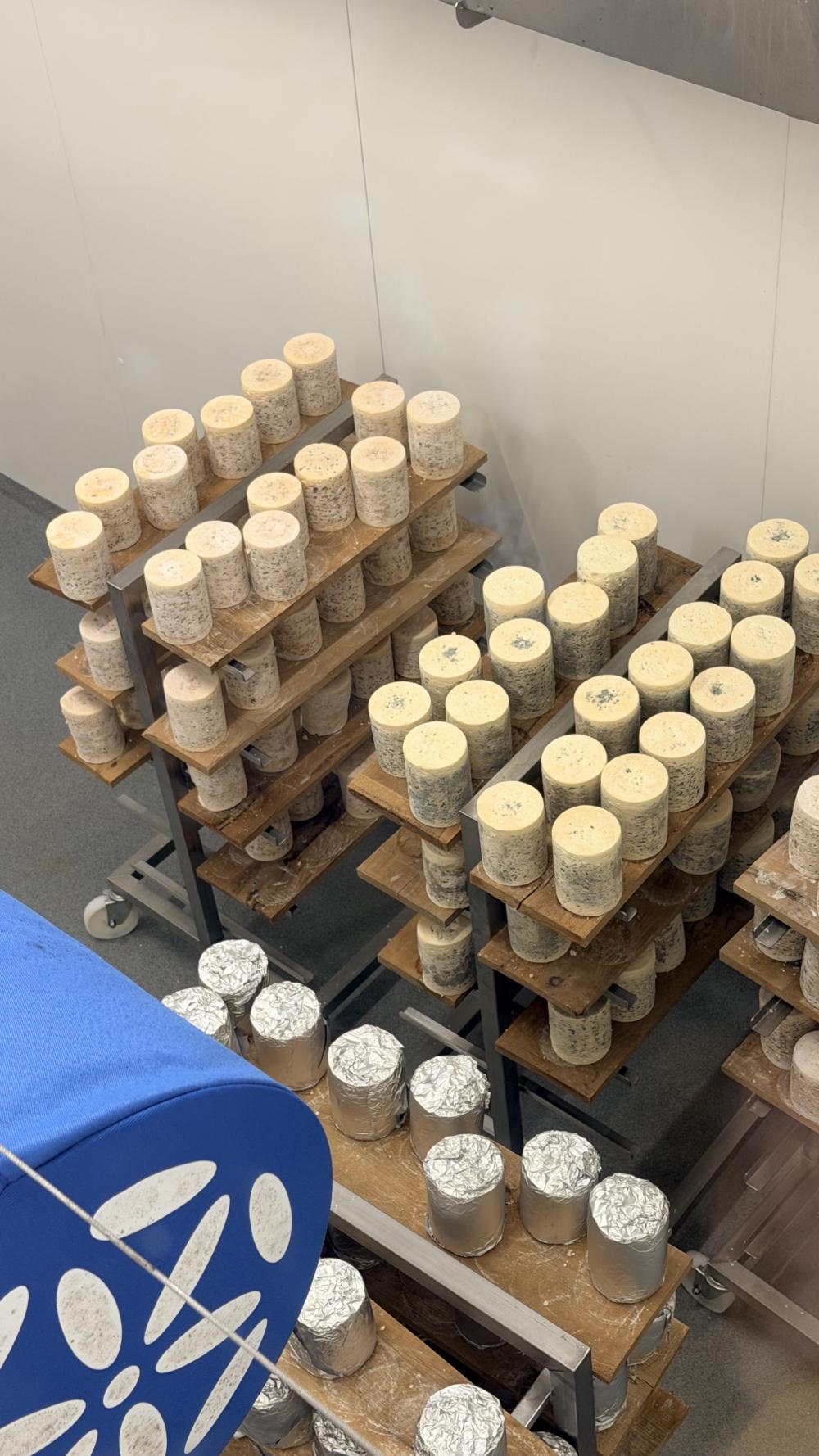
Soloitza’s range is small: fresh cheese, natural yogurt, and Eskutxi blue cheese. And it was this blue cheese that took first place at the first Basque Country Cheese and Dairy Products Competition.
DINNER IN DURANGO
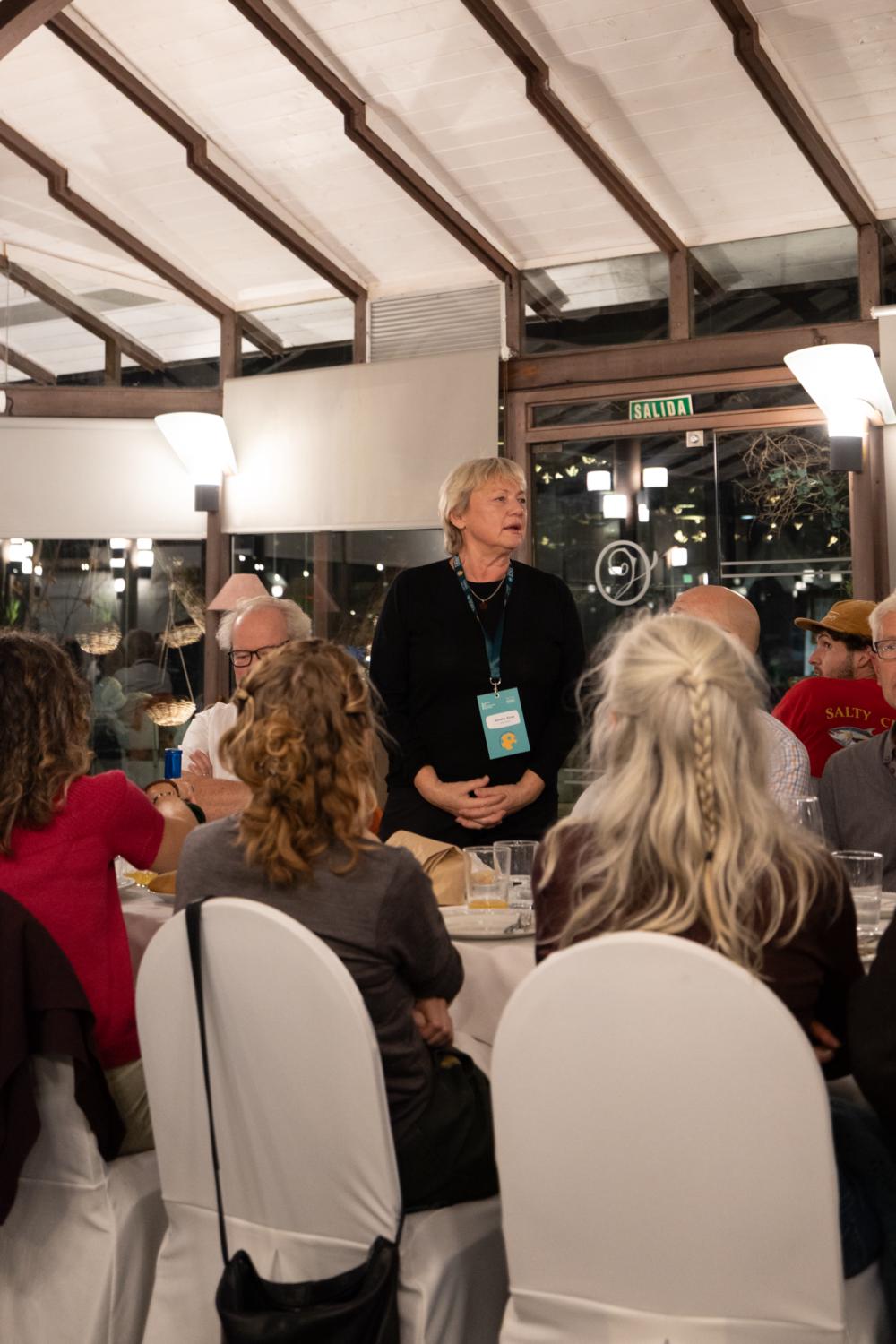
Once back a delicious dinner was ready for all the participants
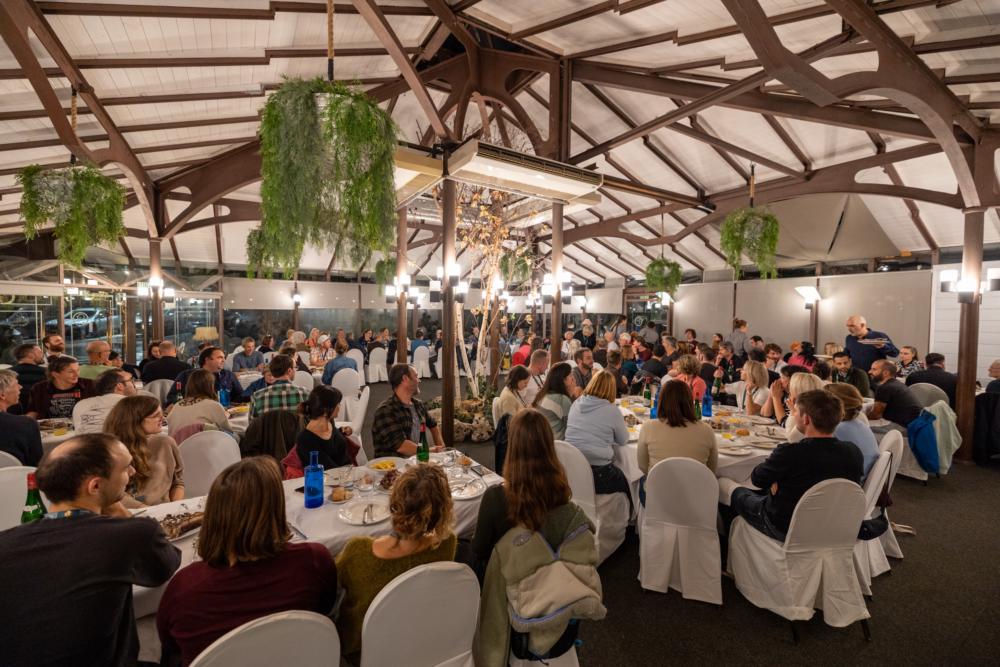
Together with the warm welcome of FACE Network president Kerstin Jürss!